Halton Borough Council has developed a comprehensive strategy to embed father-inclusive practice across its Family Hubs and partner services. Recognising fathers as vital caregivers, the initiative promotes inclusive language, tailored service design, staff training, and community collaboration. The strategy includes flexible programming, digital engagement, and policy reform to improve access and outcomes.
Overview
Halton Borough Council has developed a comprehensive strategy to embed father-inclusive practice across its Family Hubs and partner services. Recognising fathers as vital caregivers, the initiative promotes inclusive language, tailored service design, staff training, and community collaboration. The strategy includes flexible programming, digital engagement, and policy reform to improve access and outcomes.
The Fatherhood Institute have supported18 Fatherhood Champions to be recruited and trained to lead change locally and a 2025 conference united 90 professionals to share best practice.
Early evaluation shows increased confidence and commitment among staff, with fathers reporting improved engagement and support. Halton’s approach offers a replicable model for systemic, inclusive family support.
Background
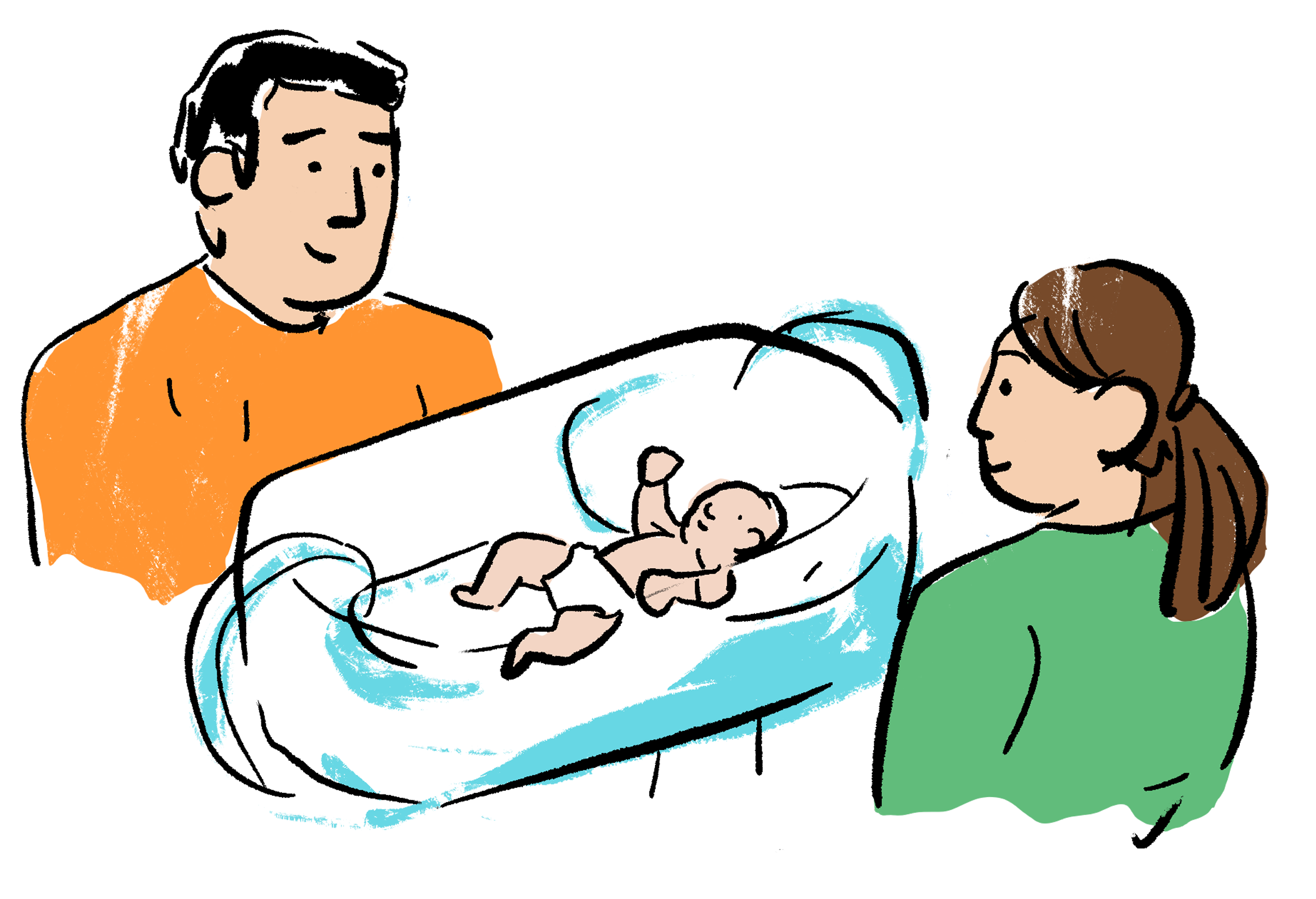
Halton’s strategy was inspired by evidence showing that father involvement improves child outcomes. Traditional service models often marginalised fathers, prompting a systemic shift to embed inclusive practice across health, early years, and social care.
Objectives
- Recognise fathers as essential caregivers
- Improve service accessibility and engagement
- Train staff in inclusive practice
- Develop policies supporting father involvement
- Foster community partnerships
- Create welcoming environments
- Establish measurable goals for father engagement
Implementation
Through the Fatherhood Institute, Halton recruited 18 Fatherhood Champions across services including health visiting, libraries, maternity, and early help. Champions completed a three-day training programme and now lead local implementation, cascade learning, and contribute to strategic planning.
Staff training included seminars, briefings, and a whole-system Fatherhood Conference attended by 90 professionals. Topics ranged from safeguarding and perinatal engagement to digital communication and mental health. Feedback showed 97.7% improved understanding and 100% intent to implement inclusive strategies.
Service Design
Halton co-produced programmes with fathers, identifying preferences for weekend sessions, male-only groups, and digital resources. Barriers such as inflexible hours, lack of male practitioners, and poor health literacy were addressed through tailored interventions.
Impact
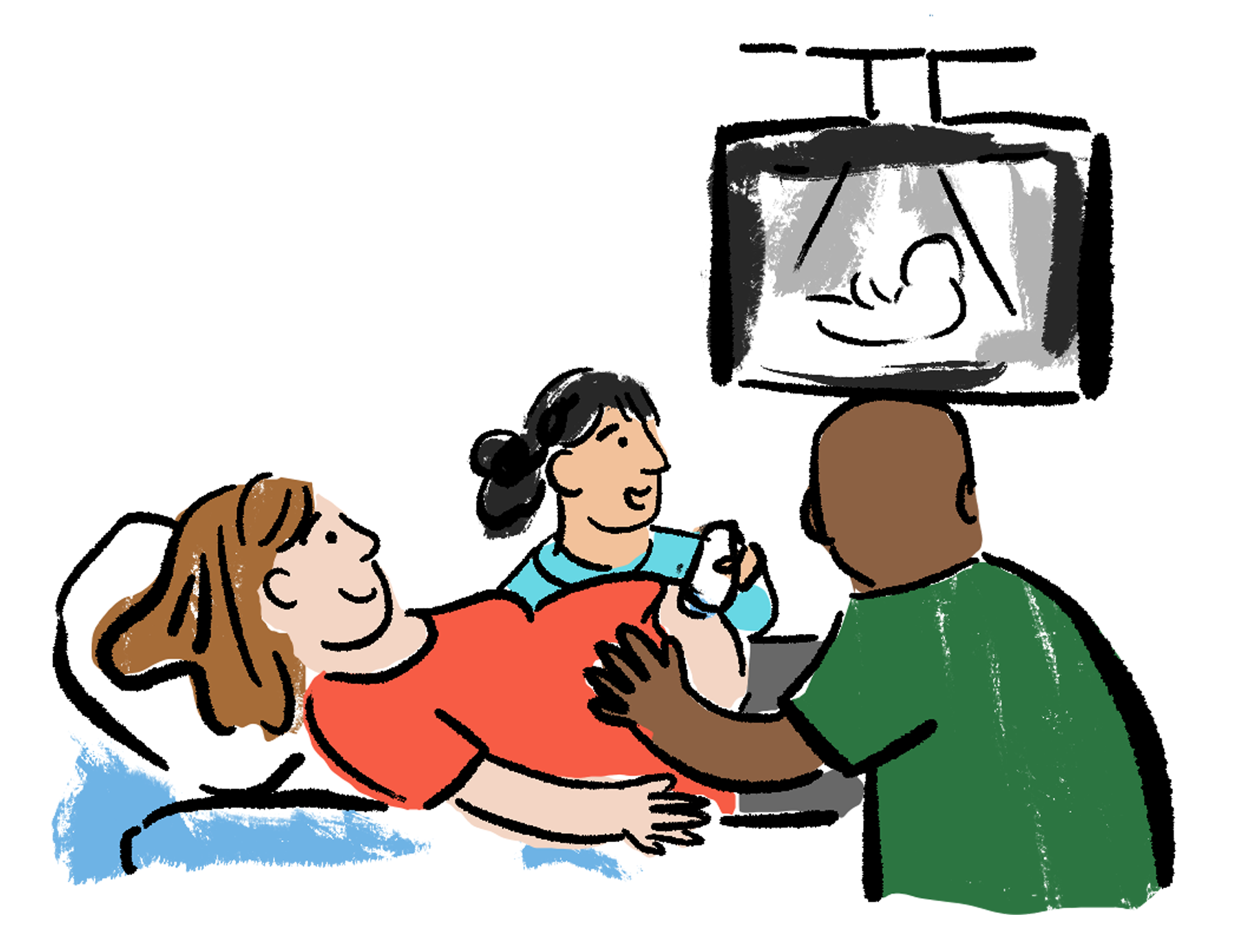
- Increased father engagement in services
- Improved staff confidence and competence
- Enhanced visibility of fathers in promotional materials
- Strengthened community partnerships
- Positive feedback from fathers and professionals
Lessons Learned
- Gender-neutral messaging is insufficient—explicit father-focused language and imagery are essential
- Leadership commitment drives cultural change
- Co-production with fathers ensures relevance and uptake
Lessons Learned
- Gender-neutral messaging is insufficient—explicit father-focused language and imagery are essential
- Leadership commitment drives cultural change
- Co-production with fathers ensures relevance and uptake

Recommendations
Recommendations
- Invest in Fatherhood Champions
- Embed inclusive language and visuals
- Offer flexible, father-friendly programming
- Prioritise staff training and leadership advocacy
- Monitor and evaluate impact systematically
Sustainability
Halton’s strategy is embedded in policy and practice, with ongoing training, national networking, and leadership support ensuring long-term impact. The model is scalable and adaptable for other councils seeking to improve father engagement.
Contact
Contact: Adam Hindhaugh MBA NPQICL FCMI CMgr
Strategic Lead for Early Help and Family Hubs, Halton Borough Council
[email protected] 07775 900836