Babies have a voice – that is, they have a right to have their views taken seriously in decisions affecting their lives. This voice is best interpreted through warm relationships with those who know them well. This resource covers the importance of listening to babies’ views to understand their experiences and give them the best start in life.
Summary
Babies have a voice – that is, they have a right to have their views taken seriously in decisions affecting their lives. This voice is best interpreted through warm relationships with those who know them well. This resource covers the importance of listening to babies’ views to understand their experiences and give them the best start in life.
Start for Life and family hubs transform support for families from conception through the critical 1001 days and beyond, to create necessary warm relationships in enabling environments. System-wide cultural change informed by the strengths, needs and perspectives of babies and their families is vital to transforming family support. Alongside cultural change, economic and political action is needed to address the social determinants of health and improve outcomes, as well as to increase the wealth of families and communities.
Introduction
Start for Life and family hubs are transforming services with accessible, connected and relational support coproduced with families. This includes the importance of babies’ ‘voice’1 and ‘serve and return’ communication. Babies’ ‘voice’ means their rights to be held in mind, loved, heard, safeguarded, with their needs met and their wellbeing paramount. ‘Serve and return’ communication refers to the responsive nurturing relationships babies have with caregivers who interpret their views to enact their rights. The Start for Life offer aims to support babies’ voices by strengthening relationships between babies and their caregivers and wider family members. Area-based partnerships, comprised of local authorities (LAs), health and wider partners are responsible for co-producing the Start for Life offer and addressing the social determinants of learning, health and wellbeing. Babies, as our youngest citizens, have the right for themselves and their parents or carers to receive this support to thrive. This guide builds on family hubs delivery guidance (Department for Education, DfE, 2022 Annex E, Family Hubs and Start for Life programme guide 2025-26) on the participation of babies and their families in shaping Start for Life and family hubs.
Babies’ voice is a right
The United Nations Convention on the Rights of the Child (UNCRC) highlights babies’ roles as active citizens: active participant[s] in the promotion, protection and monitoring of their rights ... with freedom to express views and the right to be consulted in matters that affect [them] ... The right to express views and feelings should be anchored in the child’s daily life at home (including, when applicable, the extended family) and in [their] community; within the full range of early childhood health, care and education facilities, as well as in legal proceedings; and in the development of policies and services, including through research and consultations.
UNCRC (2005, para. 10)
As part of our early intervention and prevention work at Anna Freud, we promote the wellbeing, voice and agency of babies in Start for Life using the Lundy Model. The four domains of the model – space, voice, audience and influence – present a holistic approach to understanding and fostering babies’ participation (figure 1). Social space can create the context for eliciting babies’ voices, and audiences can be activated to listen to them so their views have influence on actions and decisions affecting their lives. The Lundy model itself mirrors the active process of serve and return communication or ‘communicative musicality’ (Malloch and Trevarthen, 2009) through the call and response of relationships.

National guidance published to support family hubs transformation highlights the need to attend to babies’ voices through:
- developing a family-friendly culture for families with babies and children of all ages (p.8) • user-experience data guiding service development (p.15)
- families co-designing family hubs, including those who are seldom heard from socially marginalised communities (p.22)
- developing whole-family approaches in the workforce (p.22) Annex E Family hubs framework (DfE, 2022) and Family Hubs and Start for Life programme guide 2025-26 (DfE, 2025) Babies are our youngest citizens, biologically and emotionally dependent on the adults around them to access and engage with the support they need. Babies have rights to education, health and wellbeing as social goods (Gillies et al., 2017).
There a is growing recognition of the rights of babies within families and communities to co-produce family support – that is, to have their perspective taken into account on decisions affecting them. As such, babies’ voices should be included in Start for Life and family hub transformations.
Warm relationships support babies’ voices
Babies depend on adults to interpret their views and enact their rights. For many families, listening to babies is a way of life, and the means by which they share funds of knowledge. This is an intergenerational skill, and an experience needed for families to thrive (Vélez-Ibáñez & Greenberg, 2005). Family members tune into and respond to their baby’s ways of communicating, such as their gaze, gesture, bodily movements and vocalisation, in a process of communicative musicality (Malloch and Trevarthen, 2009). Having these relationships early in life is integral to a baby’s mental health and wellbeing (Fonagy, 2002). It is through these relationships that babies learn about themselves, others and the world (Early Education, 2021). Babies’ interests lie in aspects of their everyday lives with their families and communities. At the 2024 NCFH national conference, Dr Stella Louis (Froebelian Lead Travelling Tutor) shared details of Froebelian Songs, Rhymes and Finger Plays which connect children and adults of all cultures within a family or community. Songs contribute to imaginative play and mathematical, communicative and cognitive development in family life.
Supporting family members to listen to babies and young children as a way of life, through for example playing, singing and reading together (whether online or offline) can support young children’s growing sense of self and social identity in relationship with others in a variety of contexts in and around the home and community.” - Dr Stella Louis, Froebelian Lead Travelling Tutor
Creating nurturing environments for listening to babies
Babies need safe and inclusive spaces to express their views at home and in community spaces. Access to welcoming, family-centred spaces can also boost new parents’ confidence and wellbeing, positively impacting how parents relate to their babies, other family members and their wider community. At the 2024 NCFH national conference, Lorna Crossan shared her lived experience as a caregiver and parent participation advisor at Anna Freud, discussing her approach to creating a nurturing environment for her baby. Both Dr
“Imagine you have a tiny seed. To give that seed the best possible chance to grow and thrive to its full potential, the soil must be soft and nutrient-rich. We must be attentive – water it, give the correct amount of light, feed, and support at the stem. This is the most crucial time for that tiny little seed as it sets into its environment, and we respond to its needs. Similarly for babies in utero, a fertile, strong foundation is set so they will thrive in their environment. In the first few days of life, babies tune into their social environment. They enjoy looking at faces, making eye contact and hearing voices. If you watch babies, they are taking everything in. All this stimulation is great for building brain connections. Babies are seeing and experiencing everything for the first time and are naturally learning all the time. Just by being with a baby and interacting with them, they will start to tune into you. Being available, being curious and responding to them is setting fertile ground. It does not take anything extravagant or special to boost a baby’s development. It’s about being available, watching as they subtly interact with you and their environment. These interactions set the tone of safety, connection, sense of belonging and responsiveness. It is so rewarding; it helps them learn and feels good. The three As: affirmation, affection and attention summarise that solid foundation for babies to thrive. So, the default is set – like the seed in strong fertile ground, building strong roots and stems – and is strongly rooted in connection, love, safety, attention, stability, protection….” Lorna Crossan
Both Dr Stella Louis’ and Lorna Crossan’s presentations highlight the need for action on the social and economic inclusion of all families. This inclusion will give them the space, time, capacity and connections with others to create responsive relationships and an environment where they can interpret their baby’s communication. A related theme at the conference was the importance of listening to the voices of families living in poverty. A full recording of the NCFH April 2024 national conference on Unheard and Unseen Voices is available
Barriers and enablers to listening to babies
Listening to and responding to babies’ voice can at times present challenges for caregivers and wider family members (Rich, 2011). National data for England estimates that half of families experience negative effects of intersecting social, economic, emotional, cultural and environmental factors on family relationships (DfE, 2022 p.81). For example, babies are less likely to access positive early experiences in families living in poverty, experiencing discrimination or violence, or where parents are struggling with disabilities or illness (Marmot, 2010). As rates of poverty, violence and relationship difficulties increase, opportunities for babies to express their voice diminishes – with negative consequences for the wellbeing of all family members. While babies are biologically dependent on others for their survival, cultural perceptions of babies as vulnerable may lead to their rights being overlooked. Conversely, a culture of respecting babies’ rights alongside family-friendly practices such as paid parental leave and affordable, accessible childcare can alleviate pressures on parent infant relationships and support babies’ wellbeing (UNICEF, 2019).
| Barriers | Enablers |
| Adult-child ratios impact the quality of the space for babies’ voices. Adults need experience and time to listen to the ways in which babies communicate and to act on this. |
Family hub staff and volunteers reflect on the communities they serve and communities that have historically been underserved by statutory services. |
| Adopting interventions inflexibly can impose restrictions on listening to babies, for example, time is needed in rapport-building with seldomheard families. |
Grants to small voluntary, community, social enterprise and faith organisations to create supportive spaces for families can benefit babies from seldom-heard communities through deep relational work. |
| Funding with restricted timescales or narrow delivery parameters limits capacity to develop responsive solutions over time. |
Capital spending can be utilised to enhance baby-friendly spaces. |
| Poor location choice or poor marketing of Family Hubs reduces accessibility to the full range of families. |
Use local knowledge to inform location of new family hubs. Consider public transport routes and other barriers to access, such as safety in public spaces. |
Barriers and enablers to listening to the voice of babies were identified at the NCFH practitioners’ learning exchange on Listening to Babies in May 2024 (see figure 2). Adequate time and space are needed to facilitate positive communication with babies and their families, particularly those from seldom-heard communities. Enabling factors included staff from the local community who could bring community knowledge, partnerships with the local voluntary, community and faith sectors, and safe and accessible locations. Perinatal mental health needs can impact parent-infant relationships and thereby affect babies’ voice. The development of pathways for mental wellbeing support for new parents and wider family members through Start for Life can improve opportunities for babies’ voice. Further information on commissioning services to support parent infant relationships is available in the Parent Infant Relationships Commissioning Toolkit.
Learning how to listen to babies
Many services are recording information on children in the first person, putting them in the shoes of a baby or child. The following example from the public health workforce was shared at the national practitioners’ learning exchange on Listening to Babies, to highlight the necessary skills and confidence from professionals to hear babies’ voices and interpret their meaning.
Practice example: tuning in to babies Health visitors receive professional training to develop the skills to interpret what babies’ environment is like for them - what it might feel like for a baby from the baby’s point of view. They have experience in using ‘I’ statements. At times this can be challenging for adults looking for certainty, as they might be mistaken. Curiosity is important to consider ‘it might be this or it might be that’ or ‘what more information might be needed before making a judgement?’. Prioritising ‘serve and return’ communication is key, waiting for a response and inviting babies into a conversation. Health visitors can empower parents with listening to and hearing their baby, particularly where it is not coming naturally to them and to understand why this is important. Modelling this for parents and explaining why it is important helps parents - who know their babies best - to become better advocates for their babies. Video-interaction guidance (VIG) can assist parents to be more intune and listen to babies through observing their interactions with their babies and reflecting together on developing a shared understanding with their baby.
Individual skills, qualities and attributes that are needed to listen to babies, alongside features of a system that supports babies’ voice were identified through the NCFH practitioners’ Listening to Babies learning exchange (figure 3). Themes identified at an individual and organisational level included wellbeing, an openness to new ideas and a commitment to tackling inequities.
Figure 3: Enabling factors across the workforce and the system in listening to babies At the national practitioners’ Listening to Babies learning exchange, two LAs shared their workforce development approaches to supporting babies’ voices (next page).
| Individual | System |
| Professional passion, curiosity and open-mindedness to learn in the moment and interpret the many ways in which babies communicate, for example through gaze, vocalising, gestures and wholebody movements. |
Sufficient capacity within the workforce to make time and space to listen and tune-in to the baby’s point of view through reciprocal exchange, so that everyone is a ‘Listening to Babies’ Champion’ Continuity of carer can strengthen a relational approach where the baby, their family members and support workers develop deeper, reciprocal caring understanding and trust. |
| Personal wellbeing to foster an open and proactive stance to listening to babies and their families’ lived experiences. |
Workforce wellbeing is key, as staff need to feel confident in their application of professional curiosity and judgement, for example in balancing fidelity to an evidence-based programme and personalisation of the approach to the actual baby and their family. |
| Knowledge about babies’ brain development (including neurodiversity), cultural humility and experience of understanding babies’ ages and stages. |
A commitment to respond equitably to the voices of families from communities who are seldom heard, including racially minoritised communities and those living in poverty. |
| Understanding that language matters – for example, we should use the term ‘birth to 25’ rather than ‘0-25’ as zero means ‘nothing’, and babies are often already invisible in society. Use the term babies, children and young people (BYCP) instead of CYP, to ensure babies are included. |
Every LA and local service is at a different starting point in developing family-centred support. A more mature system is better than a developing service at listening to the voice of babies and those who are seldom heard (see guidance from Foundations on family hubs system assessment). |
Practice example: North Northants Council has a portal for professionals, with case studies of families’ vo
ice https://padlet.com/familyhubsnn/north-northants-family-hubpadlet- professionals-portal-8dfrj6y6e7zkqs9y
City of York Council have produced practice guidance and a tool to support practitioners to capture the voice and lived experience of pre-verbal children https://www.saferchildrenyork.org.uk/downloads/file/28/present-toolpractice- guidance
Babies’ voice in transforming family-centred support
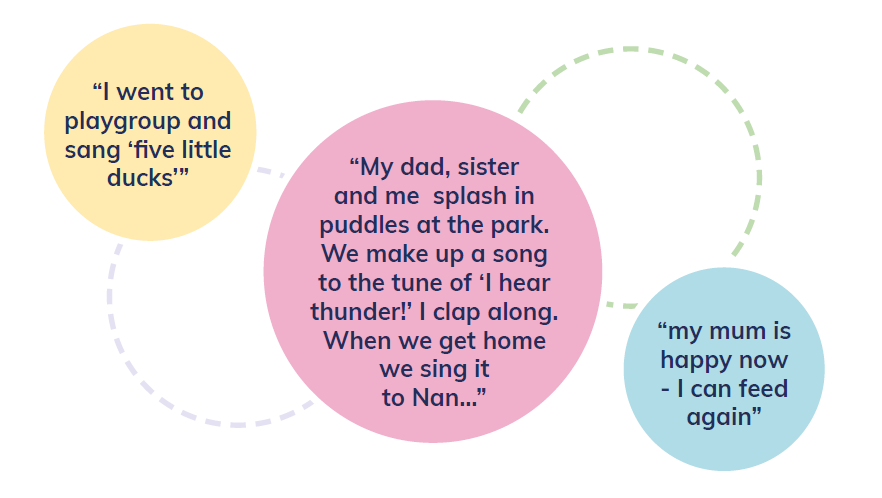
Figure 4: Start for Life: imagining baby-centred support
Listening to a baby’s voice involves not only the baby and caregiver interpreting meaning through their everyday interactions, but also the involvement of friends, neighbours and the wider support system. This includes the volunteers at family hubs, lactation counsellors, child-minders and others who help babies and caregivers to thrive and build relationships.
Much of what families and communities provide babies to enhance attachment and development is passed through generations. A parent’s own experiences of being parented often affects the way they parent. Raising awareness about a baby’s brain development and the impact of attachment and bonding behaviour, which is essential for babies, can be shared across a family’s networks. Some programmes are seeking to do this by using community champions as a means of sharing core information of baby development. Listening to babies’ voice begins in and around the home, from the earliest months of life through responsive relationships between babies and family members (figure 4), before extending through the system. The following scenarios of family life are described and interpreted from the baby’s perspective.
‘My dad and me have a lot of fun together at the family hub. (Jargonfree advice on multisensory play targeted at dads and other male carers was made available through the local Start for Life digital offer and at the family hub). My mum gets help when she asks for it, and she and I are happy together. (A lactation counsellor helped with breastfeeding worries in this mother’s preferred language. This built on advice available antenatally and boosted this parent’s wellbeing).’ The volunteer at the family hub stay and play session described above encouraged this father to access a digital resource – Dadpad, designed with the NHS for new fathers – alongside teaching the family a new song. The volunteer helped the mother access support on positioning her baby during breastfeeding from a lactation counsellor who spoke her first language.
The voice of the baby can be observed through their multisensory play – such as clapping along to songs and vocalising in their interactions with their wider family members. This scenario is typical of the accessible, joined up support accessible through family hub partnerships, which has been co-produced with families and facilitates babies’ voice.
Sorayah Mbuthia (strategic commissioner at North Northamptonshire Council), speaking at the 2024 NCFH national conference, explained that “parents and carers need help learning how to interpret baby’s cues to find the best way to meet their baby’s needs”. Her LA has commissioned a responsive feeding animation with evidence-informed, accessible and parent-facing information. Feeding choices, parent-infant relationships, perinatal mental health and babies’ voices are closely intertwined and are brought together through the Start for Life approach. Start for Life and family hubs are transforming family-centred support alongside families with babies in the 1001 critical days (and beyond). The following principles underpin this transformation:
- Access to the right help in the right way, through clear pathways to digital, centre-based or outreach universal support.
- Connections between seamless services co-produced with families.
- Relational support delivered through a confident and culturally responsive workforce (paid and volunteer). Family-centred support responds to the strengths and needs of babies and their families at an individual level and population level. It includes universal and universal+ support. Universal+ support means targeting support so that it is inclusive for all, including people from marginalised ethnic groups, lone parents, LGBTQ+ families, those who have mental health needs, use a community language, or who experience marginalisation because of a protected characteristic. Support through Start for Life covers:
- advice for parents-to-be • parent-infant relationships
- perinatal mental health needs of both caregivers and wider family members
- practical support for responsive breastfeeding and infant feeding, such as on latch or tongue-tie
- understanding how to keep babies safe and responding to their communication, like crying
- advice to support communication-rich, playful early learning experiences
- support for wider issues such as welfare benefits, employment and childcare. To guide Start for Life transformation, area-based partnerships will need to consider:
- • What are the strengths and needs of babies and their families in the local area?
What difference will Start for Life transformation of support make to the lives of babies and their families, and how will we know?
Addressing these questions will include analysis of outcomes data from userexperience, service performance and population levels. Datasets should include those living in poverty and experiencing any kind of discrimination that evidence suggests may result in a poorer experience of maternity care, higher rates of infant mortality and avoidance of support services (NHS Long term plan). LAs that received Start for Life and family hubs funding have formed parentcarer panels as a requirement of the programme.
A webinar on setting up parent carer panels was hosted by NCFH early in 2024. All LAs will be considering the inclusiveness of local participation mechanisms such as maternity voices partnerships and local family and community forums, to ensure that families – including those who are seldom heard - are at the heart of co-production. Early experiences of families’ participation in transformation have been documented by NCFH’s parent participation advisor, an expert by experience as an adoptive parent. There is little published evidence on how the views of babies are being considered strategically at an area-based level, although some examples are given below. Research evidence highlights the following principles for the wider support system for babies and their families:
- equality for all young children and equitable access to local support • democracy through listening, dialogue and respect for diversity in pedagogy and in educational management
- cooperation and collaboration between seamless services
- solidarity, replacing competitive individualism and privatised consumerism (Moss and Cameron, 2020). The principles above complement the three principles of Start for Life transformation: access, connection and relationships. Discussions on shared principles are vital in stakeholder engagement activities. They are key in creating Theories of Change including vision statements, action plans and outcomes frameworks. Local practice examples of Start for Life transformation are considered next, including:
- the creation of family hubs as public spaces
- workforce development strategies
- equity and equalities plans
- co-production approaches which centre the voice of babies and their families. As a clear and simple point of access for support, family hubs can help caregivers to hear the voice of their babies and recognise the interdependence of family members’ wellbeing. At the national Listening to Babies practitioners’ learning exchange, the following suggestions were made as ways to create space for babies’ voices:
- 24/7 services as digital static information and interactive support
- recognising the unique child and adapting to babies’ individual strengths and needs, being inclusive of children with SEND
- a trusted and consistent relationship with a key worker
-
a warm welcome within the first seven steps of entering a family hub Supportive spaces for families in their own communities can facilitate the voice of babies from seldom-heard populations.
Families from minoritised or deprived communities often express a lack of awareness of the local support on offer. Space for babies’ voices might involve taking sensory materials out into a community space, such as a mosque, neighbourhood centre, breastfeeding café or parent-toddler group, and not always expecting families to make the journey to the family hub. Communities have been devastated by Covid-19 lockdowns and the ongoing cost-of-living crisis, and many families are still struggling to get out and about. In these cases, it makes sense to take support to these families in a variety of local spaces. The impact of national and global factors also affects day-to-day mental wellbeing for families. For example, babies and families may have fled warzones, climate disasters and political persecution. These identities often intersect with those experiencing racism and living in poverty – a family from a minoritised ethnic groups might not feel safe to play in an open space due to the fear of racial discrimination. In this example, family peer supporters who have the time and capacity to build rapport may help boost the confidence of new parents to engage with Start for Life support.
Practice example: Small Wonders, The Spark, Leicester Small Wonders is a child-led, parent powered, artist facilitated programme in partnership with Leicester Libraries and Children, Young People and Family Centres. These creative play and storytelling sessions empower babies and their families, enabling their voices to be heard in real and imagined worlds. From creating an upcycled kitchen-disco dancefloor in a library to exploring rhythmic patterns through singing and drumming, these joyful sessions spark awe and curiosity. Building on 20+ years’ experience of working with communities, The Spark Arts are extending their understanding of the purpose and educational value of creativity in families with young children. Through mobilising Parent Champions, they are using the Lundy Model to embed co-production in all they create. Creative participatory arts approaches can be effective means for adults to facilitate the voice and agency of babies and young children.
This is shown in:
• Starcatchers’ guide on voice of the baby in practice
• Moonbeams early years project
• Talent 25, a Leicester-based 25-year study on the impact of early creativity on children and their families. The practice examples from The Spark and Hullabaloo illustrate the value of family hubs as creative spaces to support babies’ voice in communities. Practice example: Hullabaloo creative play spaces in family hubs Commissioned by Borderlands and funded by Arts Council England, Creative People and Places, with funding support from the Tees Valley Combined Authority, Theatre Hullabaloo offers creative play spaces in Park End and Skelton Family Hubs, in Tees Valley, Middlesborough and Redcar. These spaces are free-to-access artist designed installations for young children and their families to take part in shared play experiences with family members which help them feel happier, healthier and better connected. This provides a space in the community for infant voice to be facilitated, ensuring that those from minoritised backgrounds are heard. The spaces provide a variety of sensory inputs to maximise the full range of babies’ communications.
A baby’s point of view – user experience feedback
At the practitioners’ Listening to Babies learning exchange, the following prompts were shared as a way of eliciting user feedback on babies’ and families’ experience of a local family service Practice example: eliciting feedback from a baby’s point of view Ask parents to answer the questions:
• What would your baby say about this space?
• What would your baby say about the service they are receiving?
• What would your baby like?
• What would you like to see?
• How would you like it to feel? Put the answers up on sticky notes on a board and respond to them frequently.
Alongside feedback from individual babies and families, strategic family voice initiatives such as parent carer panels and maternity voices partnerships are key in co-producing culturally appropriate family hubs over the longer term. It is vital to include families who have not yet accessed services. This can be done through involvement of local community development workers, peer researchers and volunteers. See the example from North Northamptonshire Council below on including the voice of babies in developing a vision for transforming support for perinatal mental health, parent infant relationships and breastfeeding and infant feeding.
“We need to commission services effectively to be able to provide that capacity to hear from babies and then respond to that and use it effectively.” Sorayah Mbuthia speaking at the NCFH national conference ‘Listening to Babies’
Resourceful leaders listen to babies
Sorayah Mbuthia, strategic children’s commissioner at North Northamptonshire council shared her experiences of transforming family support at the 2024 NCFH national conference. Her testimony was an illustration of resourceful and creative leadership of partnerships at all levels. Members of area-based Start for Life partnerships will include service and political leaders across the Integrated Care System, commissioners, staff working directly with babies and families and babies and families themselves. These partnerships should devise, monitor and evaluate strategic actions to transform family-centred support through Start for Life. This should include addressing the social determinants of health – that is, the deep-rooted intersectional inequities in learning, health and wellbeing outcomes experienced by babies and their families.
What difference does it make when we listen to babies – and how do we know?
Practitioners at the NCFH Listening to Babies learning exchange expressed that it is challenging to evidence what’s changed as a result of listening to babies’ voices. While improved outcomes can be measured through population data such as breastfeeding rates, school readiness measures and ASQ-3 language assessments, it can be difficult to secure evidence of what has changed in babies and families lives at scale. Practitioners argued that if services improve, babies will have better outcomes so we will know by measuring these. However, it is difficult to attribute changes in population outcomes to singular causes. Longitudinal research evidence, metasyntheses of fine grain studies and international comparative research can be valuable in generating evidence of improved outcomes for babies and their families of long-term system change – for example, see the impact of Sure Start. Practice example: babies and their families at the heart of transformation From February-August 2024, a team from Anna Freud were commissioned by North Northants Council to develop a vision of perinatal mental health and parent infant relationship support as part of their wider Start for Life transformation programme. As one aspect of this process, a multi-professional group of staff were brought together with expert-by-experience parents to devise a series of ‘I’ statements from a baby’s point of view in response to the following questions:
• If we were to achieve our vision of improved perinatal mental health and parent-infant relationship support what difference would this make to babies?
• How would we know? Access the Perinatal Mental Health and Parent Infant Relationship strategy here: North Northants Family Hub Padlet Professionals Portal
Conclusions
Babies’ concerns are with their immediate experiences and interactions with caregivers and wider family members. Through Start for Life services, family members can be supported to encourage the voice and agency of babies through strong relationships and ‘communicative musicality’ (Malloch and Trevarthen, 2009).
These early nurturing experiences in the home and around the neighbourhood are vital for babies’ voices, wellbeing and their lifelong learning and health outcomes. Start for life services and family hubs are transforming the ways in which families can access culturally responsive support, to strengthen relationships and to deal with problems when needs arise. LAs and partners are responsible for ensuring that babies and their families receive family-centred and inclusive support that is co-produced with local families and babies. This resource highlights both the barriers and enablers in supporting babies’ voices, and ways in which leaders at all levels are changing cultures to centre babies’ voice.
Babies are born explorers, and these qualities of being open to new experiences and developments are demonstrated by leaders who are receptive to considering the world from another’s perspective. Perhaps it is through listening to babies’ voices and recognising their rights as our youngest citizens that we can achieve the transformation we envision. The examples shared in this resource aim to support on the journey of listening to and understanding the feelings and experiences of babies and their families, to give everyone the best start in life.